

Assessing vertical and horizontal integration
Assessing vertical and horizontal integration involves analyzing market power, supply chain efficiency, and regulatory compliance in complex business structures.
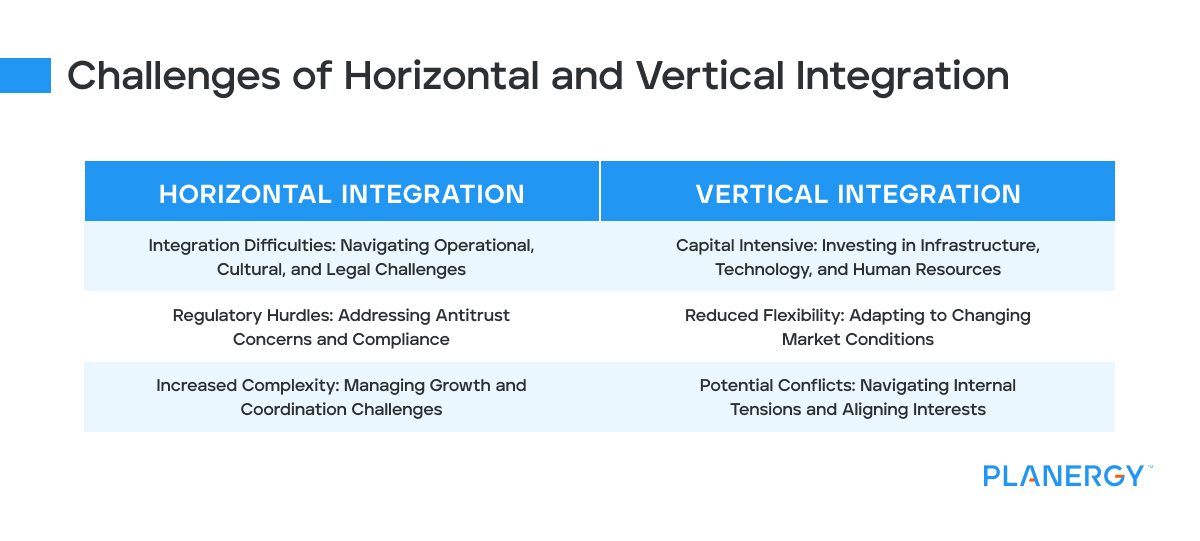
In the realm of corporate strategy, vertical and horizontal integration are fundamental approaches companies employ to expand operations and strengthen market position. From years of advising diverse businesses, I’ve observed these strategies reshape industries, drive innovation, and sometimes provoke regulatory scrutiny. Understanding their mechanics, benefits, and pitfalls is crucial for executives and stakeholders alike. It’s not merely about growth; it’s about control, efficiency, and market dominance.
Overview
- Vertical integration involves a company taking over more steps in its supply chain, either backward (acquiring a supplier) or forward (acquiring a distributor).
- Horizontal integration focuses on acquiring competitors or related businesses within the same industry or stage of the supply chain.
- These strategies aim to achieve various objectives, including cost reduction, quality control, market share expansion, and risk mitigation.
- Assessment requires evaluating operational synergies, market impact, regulatory compliance, and potential challenges like cultural integration.
- The effectiveness of integration varies significantly across industries and depends on meticulous planning and execution.
- Real-world examples demonstrate both the immense successes and notable failures associated with these complex corporate maneuvers.
Assessing the Dynamics of Vertical and horizontal integration in Supply Chains
Vertical and horizontal integration fundamentally reshape how businesses operate within their supply chains. Vertical integration allows a company to control more stages of its production or distribution. A car manufacturer buying a parts supplier is a backward integration example. Conversely, a media company acquiring a streaming platform for its content demonstrates forward integration. This control can lead to cost efficiencies, improved quality control, and reduced reliance on external partners, mitigating supply chain risks.
From a practical standpoint, the decision often stems from a desire for greater predictability and efficiency. For instance, a food producer might acquire a packaging company to ensure consistent supply and meet specific design requirements. However, this also introduces new complexities, such as managing different business models and capital investments. On the other hand, horizontal integration focuses on expanding market reach or reducing competition. A pharmaceutical company acquiring a rival with a complementary drug portfolio is a prime example. This often results in increased market share, economies of scale, and enhanced pricing power. Evaluating these dynamics requires a deep dive into operational compatibility and market structure.
Operational Synergies and Market Impact
Operational synergies are a primary driver behind integration efforts. When firms merge or acquire, they seek to streamline processes, eliminate redundancies, and leverage combined resources more effectively. For instance, horizontal integration can lead to shared manufacturing facilities or distribution networks, significantly cutting costs. Vertical integration can simplify logistics and accelerate product development cycles by bringing different stages under one roof. The real impact is often seen in the bottom line, through improved profit margins and enhanced competitive posture.
However, the market impact extends beyond internal efficiencies. Increased market concentration, particularly from large-scale horizontal integration, can raise antitrust concerns, especially in countries like the US. Regulators scrutinize these deals to prevent monopolies and protect consumer choice. Businesses must demonstrate that their integration creates value without stifling competition. Vertical integration can also impact market dynamics by potentially disadvantaging competitors who rely on external suppliers or distributors now owned by an integrated rival. Understanding these broader market implications is vital for a successful integration strategy.
Strategic Drivers for Vertical and horizontal integration
The strategic impetus behind pursuing vertical and horizontal integration is varied and complex. Companies often seek these pathways to achieve sustainable growth, gain competitive advantage, and mitigate specific business risks. One key driver for vertical integration is the desire to secure critical inputs or control output channels, ensuring supply stability and quality. For example, a software company might acquire a chip manufacturer to tailor hardware precisely to its software’s needs, gaining a performance edge.
Similarly, horizontal integration is frequently driven by market expansion goals. A retail chain acquiring a competitor provides instant access to new geographic markets or customer segments. Risk reduction is another significant factor; diversifying product lines through horizontal integration can cushion against downturns in a single market. Ultimately, these strategies aim to fortify the company’s position, enhance its value proposition, and ensure long-term viability in a dynamic marketplace. Each decision requires rigorous strategic analysis, considering industry trends, competitive landscape, and internal capabilities.
Regulatory Landscape and Challenges for Vertical and horizontal integration
Navigating the regulatory environment presents significant hurdles for both vertical and horizontal integration strategies. Antitrust laws, particularly robust in the US, aim to prevent mergers and acquisitions that could substantially lessen competition or create monopolies. Agencies like the Department of Justice and the Federal Trade Commission meticulously review proposed integrations. My experience indicates that understanding these regulatory thresholds and potential objections is paramount for deal success. Companies must prepare extensive arguments demonstrating that their integration benefits consumers or promotes efficiency without unduly harming competition.
Beyond regulatory approval, the operational challenges of integration are substantial. Merging different corporate cultures, integrating disparate IT systems, and harmonizing business processes can be complex and costly. Failed integrations often stem from underestimating these “soft” factors. Vertical and horizontal integration can also lead to a loss of focus if the acquired businesses divert management attention from core operations. Therefore, a realistic assessment of integration capabilities, financial resources, and leadership bandwidth is critical to avoid common pitfalls and ensure the intended strategic value is realized.

Related Posts

Weighing cost leadership vs differentiation
