

Building industrial construction and infrastructure smartly
Streamlining industrial construction and infrastructure through smart methodologies ensures project success, efficiency, and long-term sustainability.

Building large-scale industrial facilities and critical infrastructure projects is a complex undertaking. It demands precise planning, efficient execution, and a forward-thinking approach to overcome inherent challenges. From oil and gas refineries to power plants, manufacturing hubs, and logistics networks, these projects form the backbone of modern economies. My experience in this field shows that adopting smart strategies from conception to completion is not just an advantage; it is a necessity for achieving operational readiness and stakeholder value.
Overview
- Smart methodologies are essential for complex industrial construction and infrastructure projects.
- Early-stage digital planning tools, like digital twins, reduce risks and improve design accuracy.
- Technology integration, including BIM and modularization, drives project efficiency and accelerates timelines.
- Sustainability is a core focus, involving green materials, waste reduction, and energy-efficient designs.
- Operational excellence through robust project management and supply chain optimization is crucial for project delivery.
- Leveraging data analytics and predictive tools supports better decision-making and continuous improvement.
Smart Planning for Resilient Industrial construction and infrastructure
Effective project inception is the cornerstone of any successful industrial construction and infrastructure endeavor. My work emphasizes extensive front-end loading (FEL) to define scope, assess risks, and secure necessary resources before ground is broken. This stage often involves detailed feasibility studies, site analysis, and regulatory compliance checks. Poor planning frequently leads to cost overruns and schedule delays, underscoring the value of thorough initial work.
Adopting digital tools in the planning phase significantly enhances resilience. We use advanced simulation software to model different scenarios, identifying potential bottlenecks and safety hazards long before construction begins. Digital twins, virtual replicas of physical assets, allow for continuous monitoring and optimization during design and even into operation. This proactive approach minimizes surprises and allows for data-driven adjustments, fostering projects that are more adaptable and robust against unforeseen challenges. For instance, in the US, permit acquisition and environmental impact assessments require meticulous documentation, where digital platforms streamline submissions and tracking.
Technology Integration for Efficient Project Delivery
Modern construction projects are increasingly relying on technology to boost efficiency and safety. Building Information Modeling (BIM) is fundamental, creating a shared digital representation of the facility. This collaborative model improves communication among design, engineering, and construction teams, reducing clashes and rework. From my perspective, BIM is not just a design tool; it is a project management platform that integrates schedules, costs, and material quantities.
Beyond BIM, advancements in modular construction and prefabrication are significantly cutting down on site work. Components built in controlled factory environments improve quality, reduce waste, and accelerate assembly on site. Automation, including robotics for repetitive tasks and drones for site mapping and progress monitoring, further optimizes operations. These technologies minimize human exposure to hazardous environments, enhancing safety records. Data analytics and artificial intelligence are also starting to play roles in predicting project risks and optimizing resource allocation.
Sustainable Practices in Industrial construction and infrastructure
Integrating sustainability into industrial construction and infrastructure is no longer optional; it is an economic and environmental imperative. Our projects prioritize materials sourcing, opting for low-carbon options and recycled content whenever possible. This commitment extends to waste management plans, aiming for minimal landfill contributions through recycling and reuse programs. Energy efficiency is designed into the facility from the outset, incorporating renewable energy sources, advanced HVAC systems, and intelligent building controls.
These green initiatives often result in long-term operational cost savings and reduced environmental footprints. Compliance with local and international environmental standards, especially critical in the US where regulations are stringent, is paramount. We focus on circular economy principles, designing structures with their entire lifecycle in mind, from construction to eventual decommissioning. This approach considers future adaptability and material recovery, creating facilities that are environmentally responsible and economically viable over their lifespan.
Operational Excellence in Industrial construction and infrastructure
Achieving operational excellence means consistently delivering projects on time, within budget, and to the specified quality standards. This requires a strong project management framework, often utilizing agile or lean construction principles. Regular progress tracking, performance metrics, and transparent reporting keep all stakeholders informed. Effective supply chain management is another critical component, ensuring materials and equipment arrive precisely when needed, avoiding costly delays.
Worker training and safety protocols are non-negotiable. A safe worksite directly correlates with productivity and project quality. Implementing robust safety management systems and continuous training programs protects personnel and prevents incidents. Post-construction, a smooth handover process, including detailed documentation and training for facility operators, ensures the asset performs as intended. Ongoing feedback loops and lessons learned sessions drive continuous improvement for future industrial construction and infrastructure projects, building expertise and refining processes with each successful delivery.

Related Posts

Mastering pharmaceutical industry regulations compliance
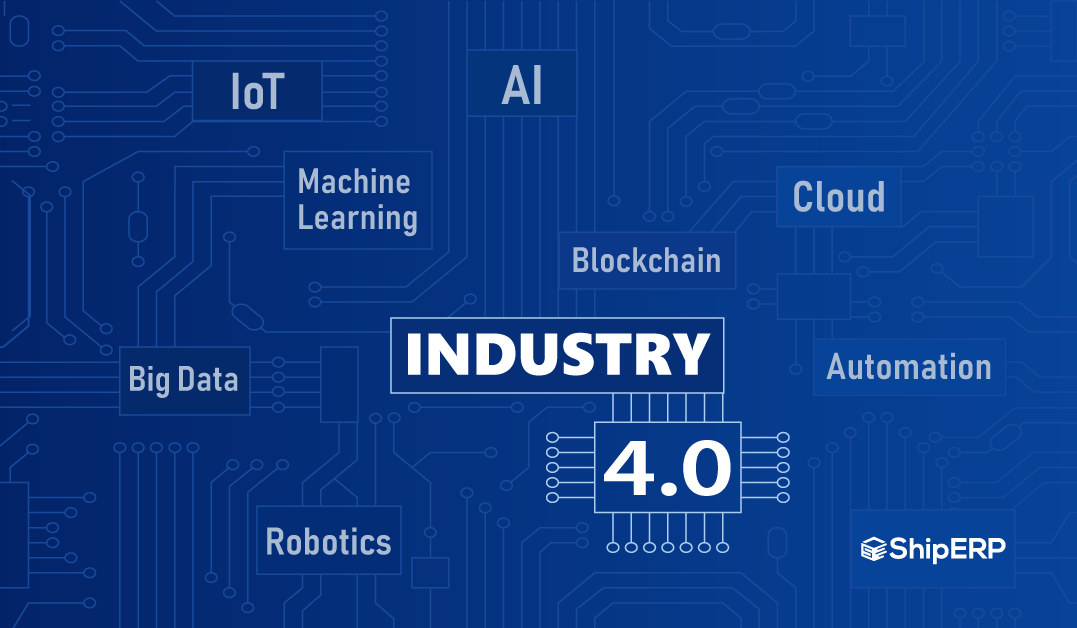
The Key Drivers Behind Industry 4.0 Growth
